Self-Sustaining
Every kilogram sold funds the next kilogram collected.
Unlike many environmental projects, Plastoss is designed to sustain itself.
When we sell recycled plastic, that revenue doesn't disappear. It goes back into the system.
Every sale helps remove more plastic from the environment while creating more economic opportunity.
The more plastic we recover, the stronger the system becomes. This page is a transparent look at how the loop works: where the plastic comes from, how it creates revenue, and how that revenue is invested back into people, communities, and environmental impact.
- Buying more plastic from collectors
- Paying workers and drivers
- Providing gloves, boots, and safety equipment
- Enrolling collectors in NHIS
- Supporting school sustainability programs
- Expanding collection capacity
The Pathway
Collect→Purchase→Sort & Process→Sell→Reinvest
How the Loop works, step by step.
 Step 01
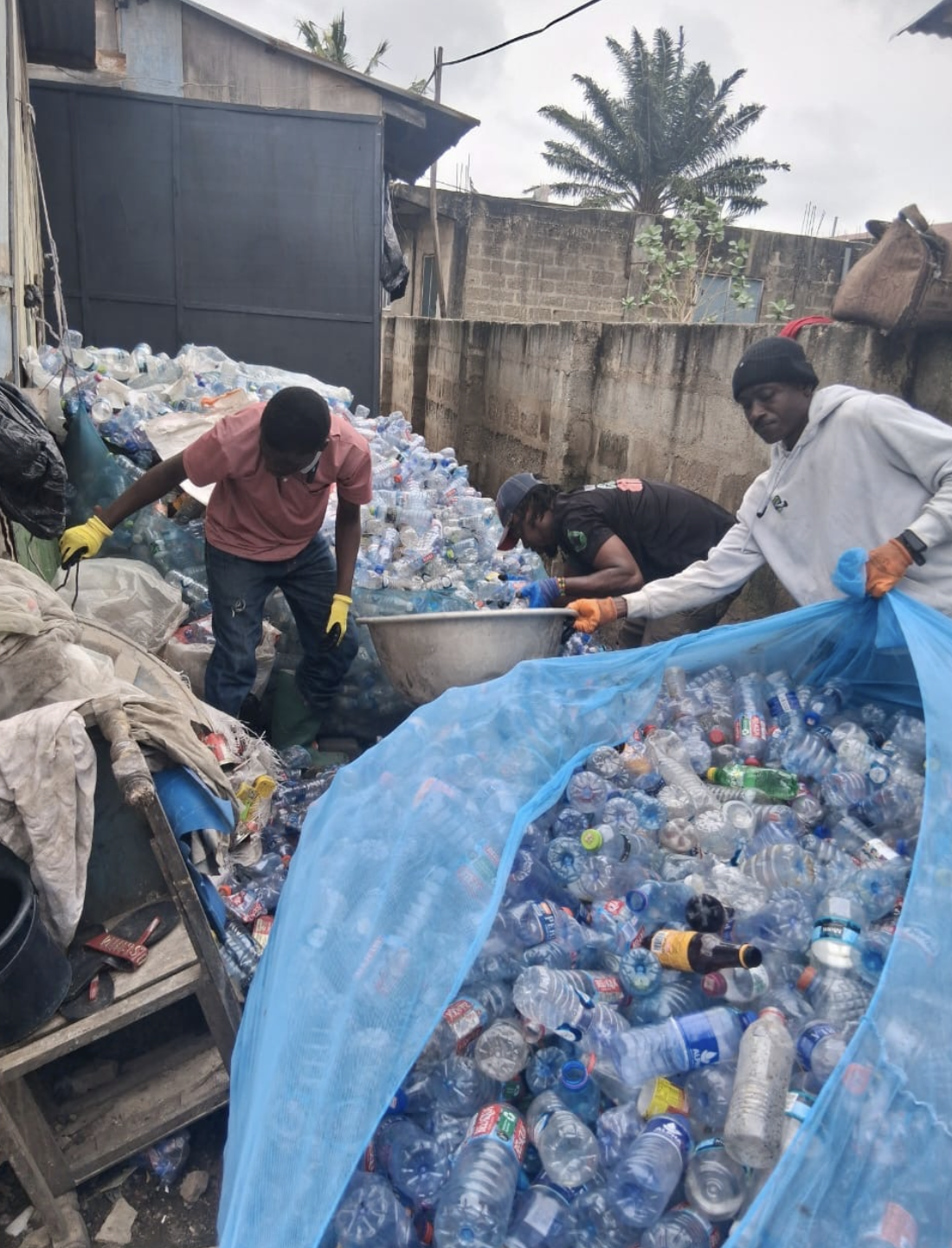
Collect
Registered collectors gather plastic from streets, homes, and drop-off points across Accra.
 Step 02
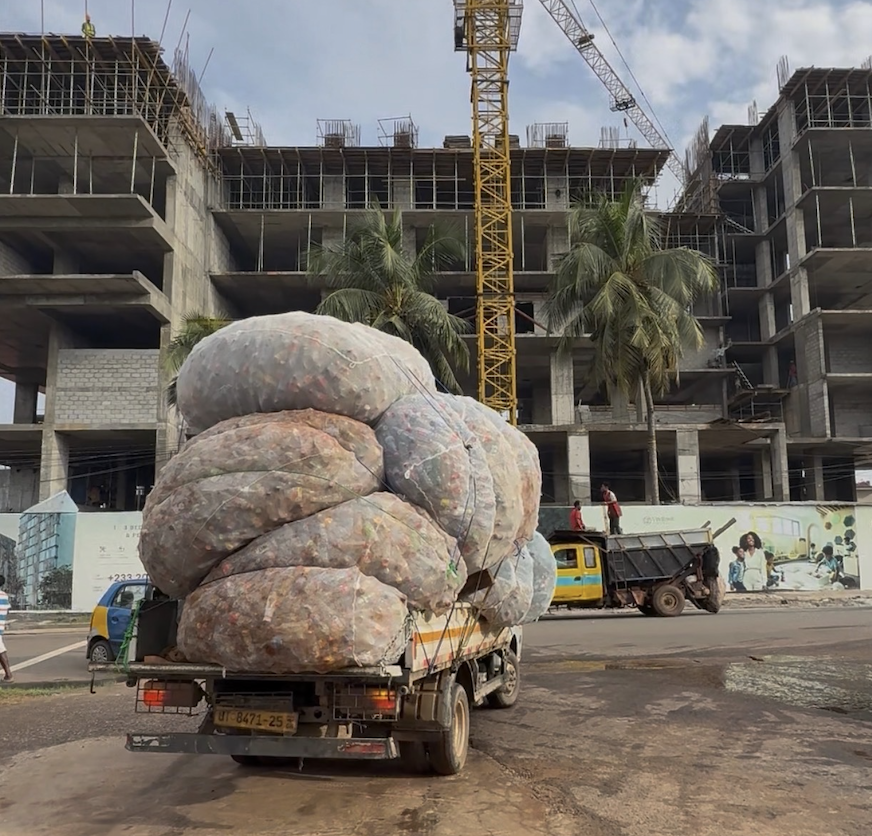
Purchase
We pay collectors directly at a published, transparent rate — no middlemen skimming a cut.
 Step 03
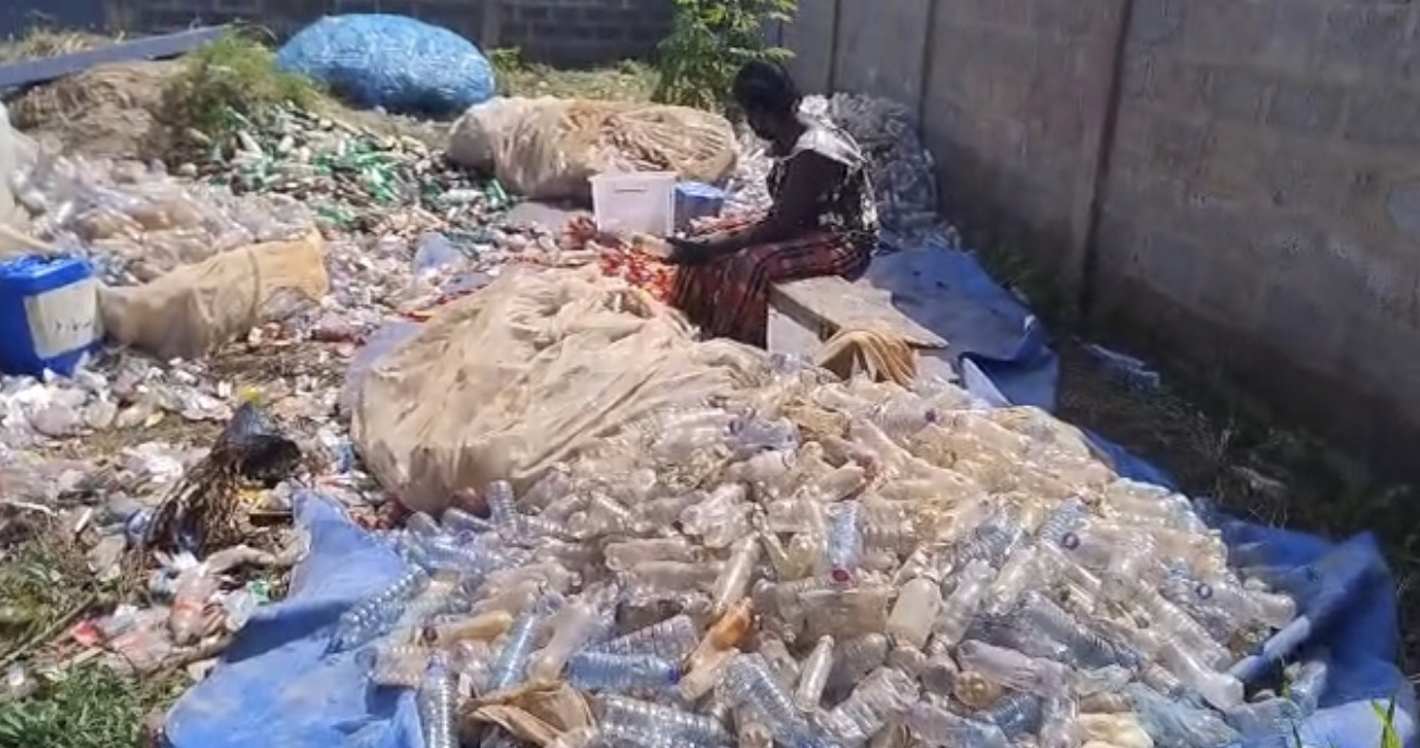
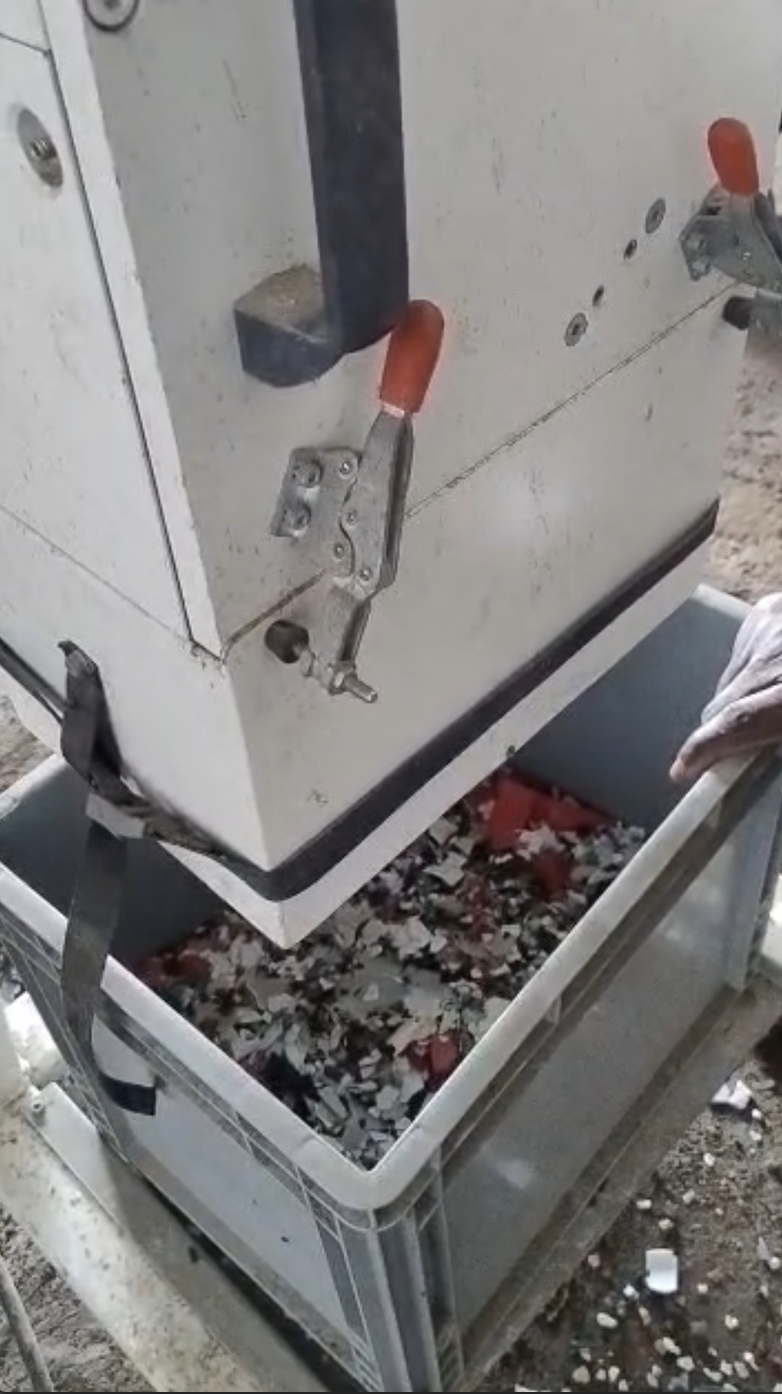
Sort & Process
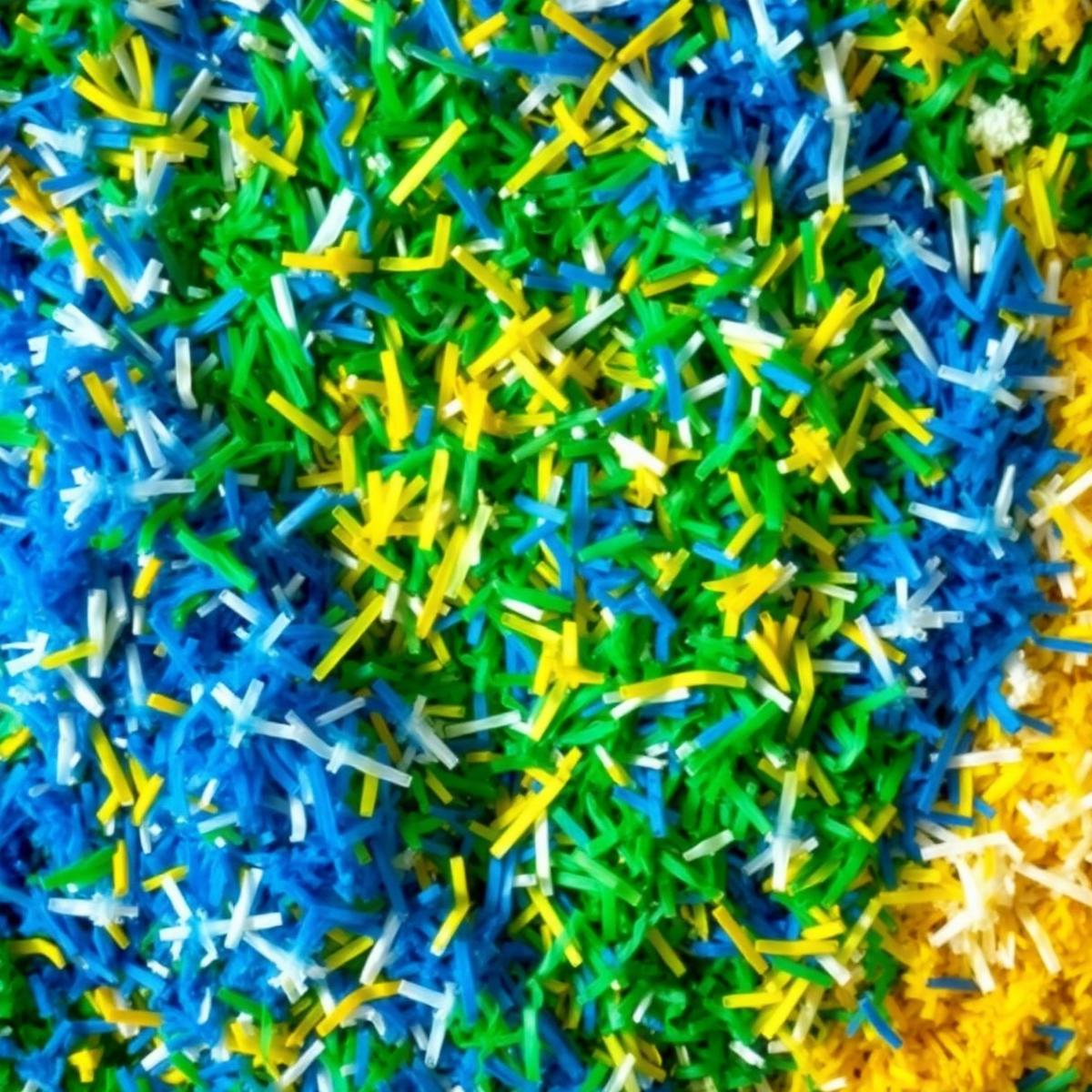
Material is separated by resin (PET, HDPE, LDPE, PP), washed, and shredded into clean, market-ready flake.
 Step 04
Sell
Sorted bales and flakes are sold to recyclers, processors, and manufacturers as raw material.
 Step 05
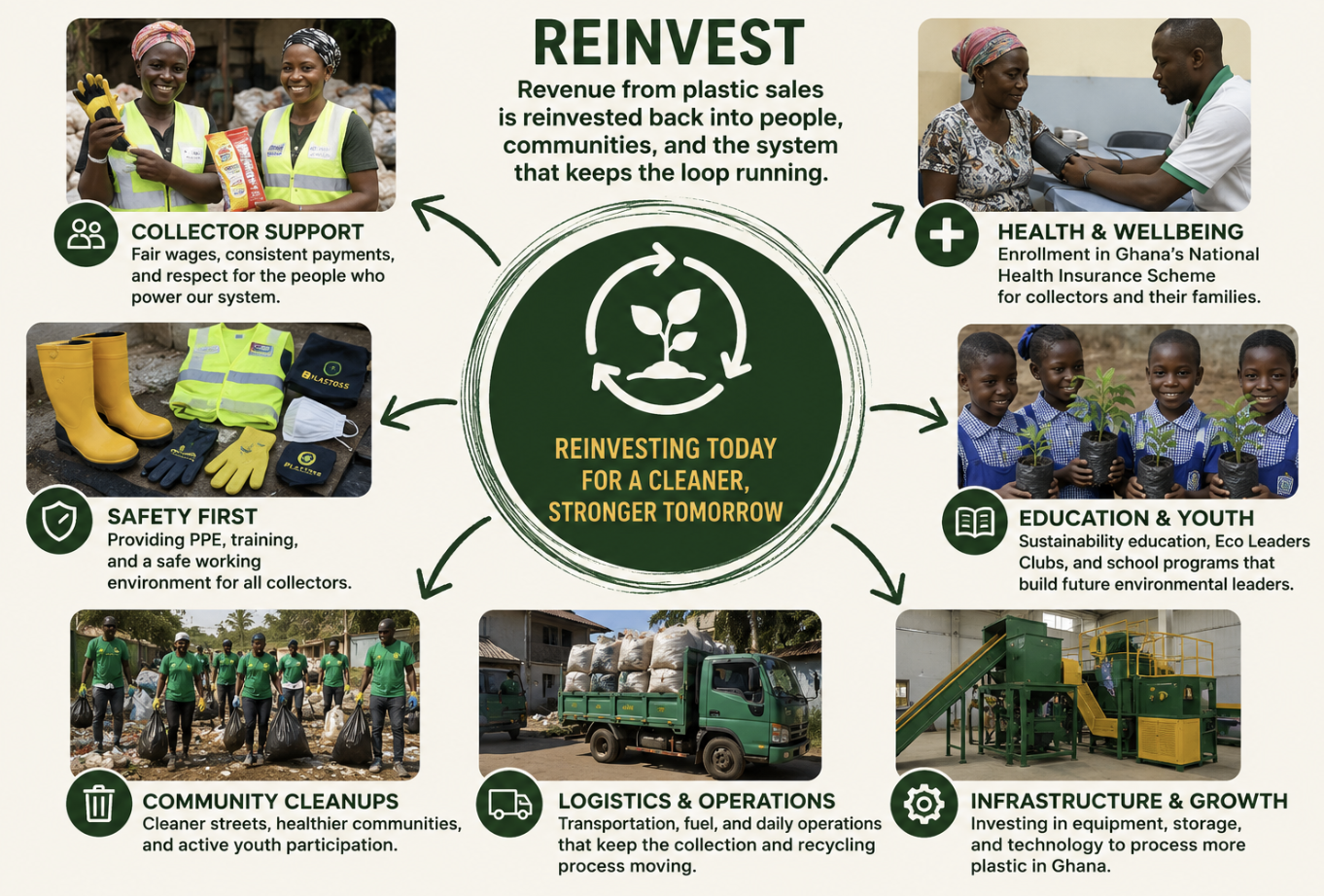
Reinvest
Revenue funds more plastic purchases, worker wages, equipment, and school programmes.
The Books, In Plain View
How we make money — and how we use it
Revenue
How we make money
- Selling sorted PET, HDPE, LDPE, and PP bales
- Selling washed and shredded plastic flakes
- Supplying recycling companies and manufacturers
- Future production of pellets and finished recycled products
Spend
How we use the money
- Paying collectors — directly, at a published rate
- Paying workers who sort, wash, and process
- Transportation and storage
- Equipment and processing machinery
- School and community education programmes
- Reinvestment and business growth
Illustrative Example
What 1,000 kg of PET looks like
Gross margin ≠ profit
The GHS 500 gross material margin is not pure profit. It has to cover transportation, sorting, loading, storage, administration, equipment, and the next round of plastic purchases before anything is left over.
Disclaimer — Purchase and selling prices vary by resin type, market conditions, and buyer. Numbers above are illustrative.
Value Added
Loose plastic vs. processed flakes
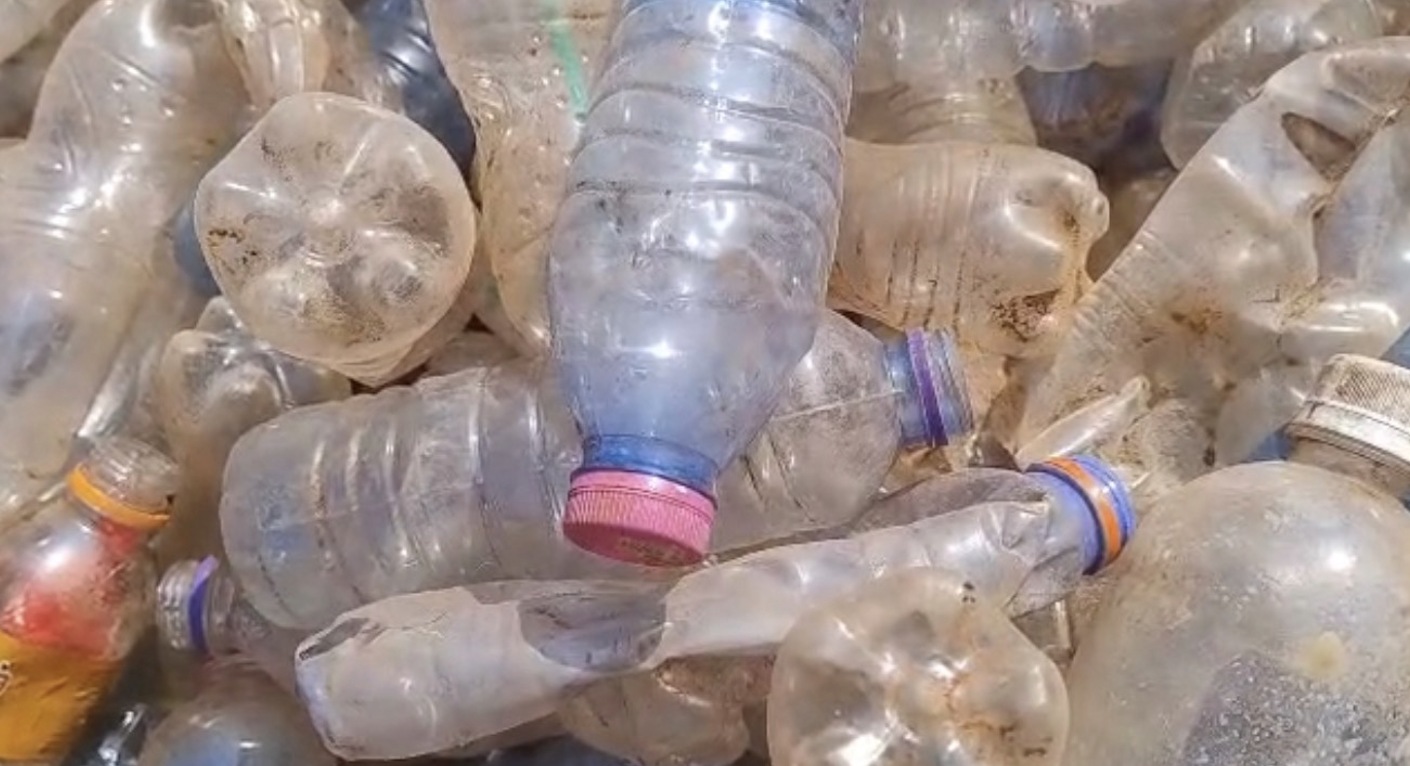
Before
Loose Plastic
Bulky, contaminated, mixed resins. Hard to transport, low market value, limited buyers.
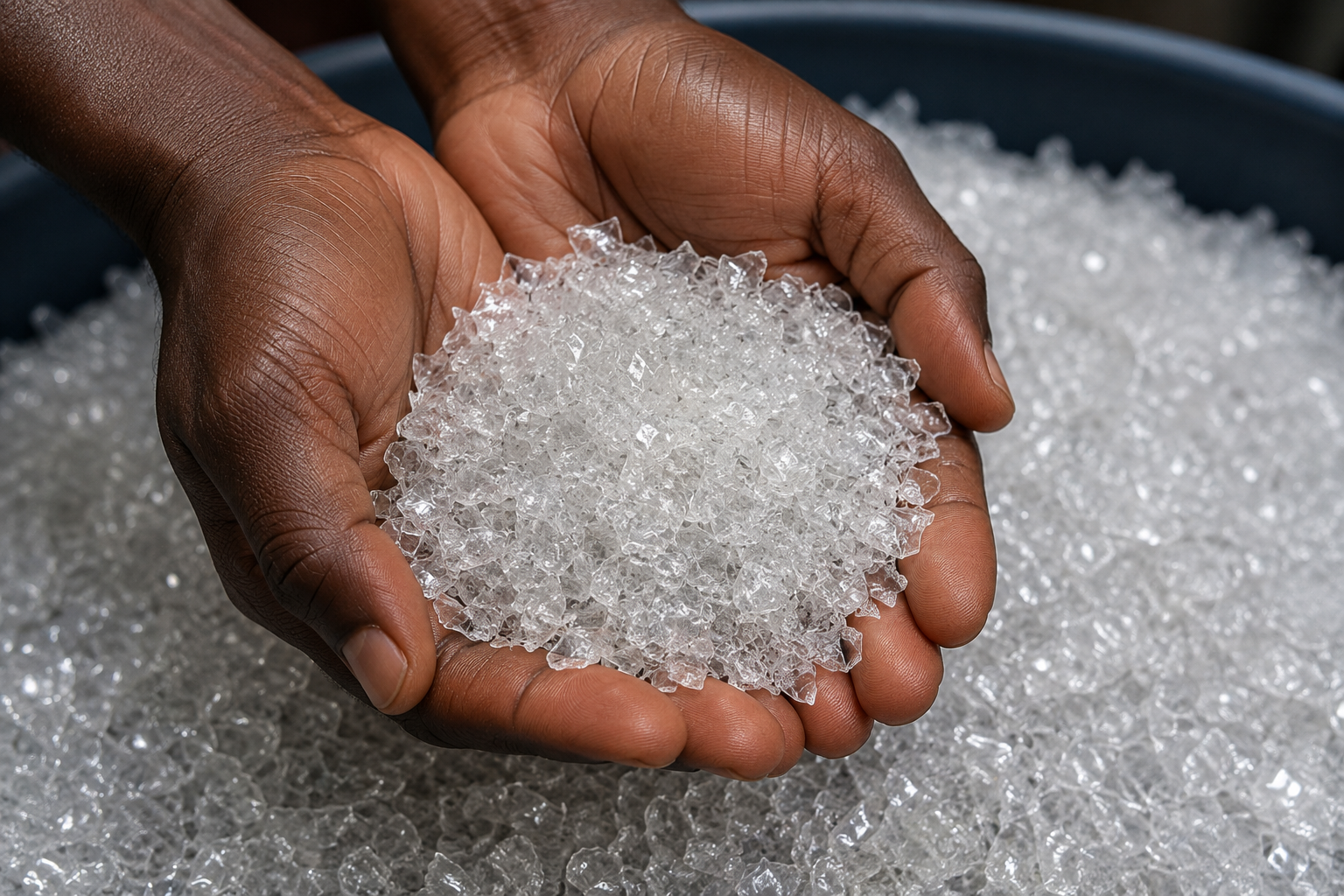
After
Processed Flakes
Sorted, washed, shredded. Dense, clean, and ready as raw material — higher value, more buyers, real utility.
Who Buys
Our customers
- Recyclers
- Plastic Processors
- Packaging Companies
- Construction-Material Manufacturers
- Container Manufacturers
- Other Users of Recycled Plastic